Lower deployment cost, lower hardware cost — and a lower-commitment way in. The ask behind the 25 non-binding letters of intent.
Investor memo2026 · Mission 001
Yummy
Future
Future
A robotic platform for the food & beverage industry.
Built once. Running in three stores today.
wefunder.com/yummyBacked by Y Combinator S19 · Soma Capital · Asymmetry Ventures
The teamTwo founders · same problem since 2018 · UIUC ECE
Seven years on perfecting the same product.
2018 · Sep
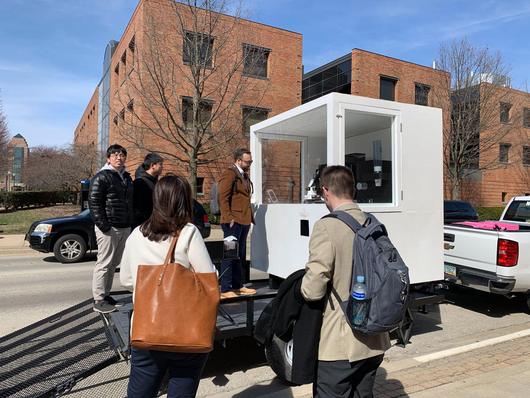
Founded at UIUC
In the Advanced Digital Projects Lab, University of Illinois.
2019
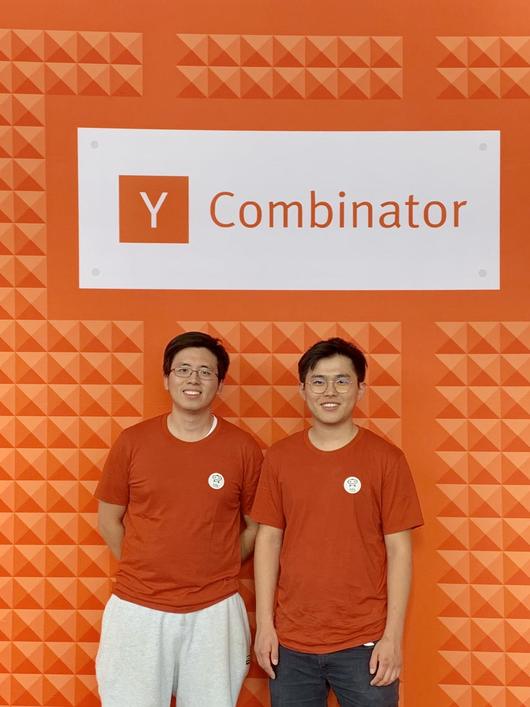
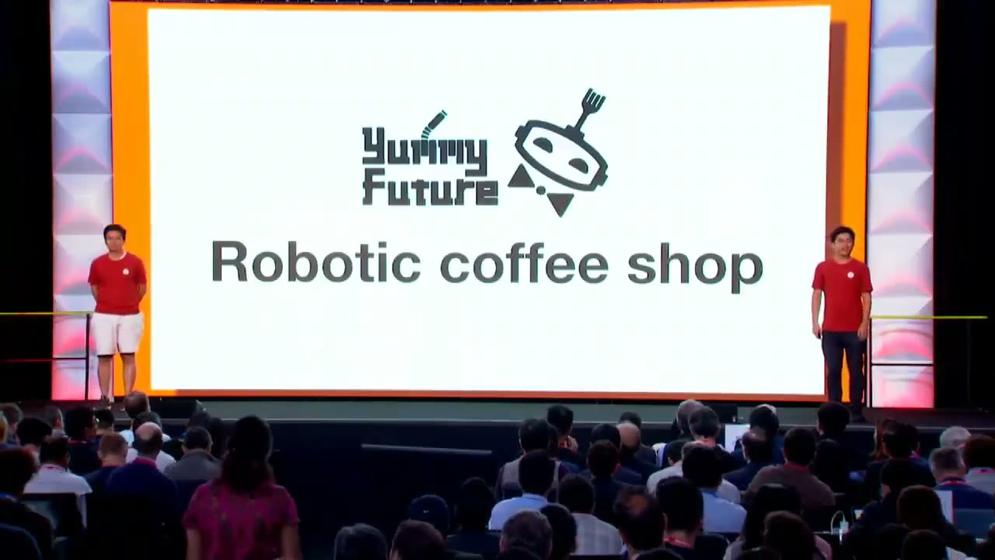
Two awards, then YC
Illinois Cozad New Venture Challenge, Amazon Alexa Prize, then Demo Day with the S19 batch.
2025 · Oct
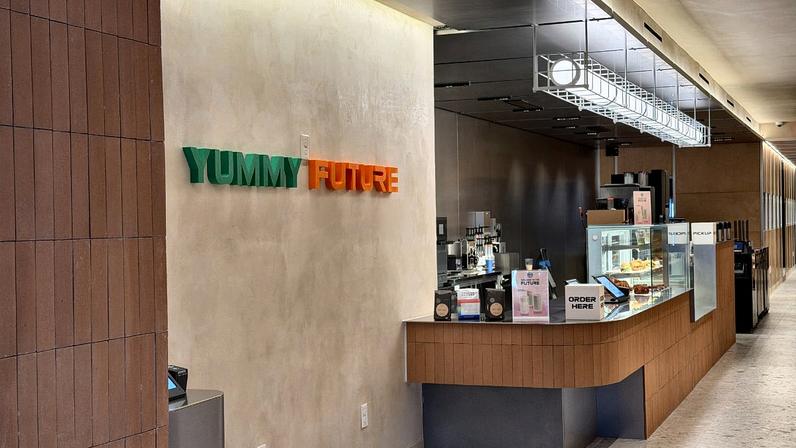
Palo Alto opens
170 University Ave, California.
2026 · Mar
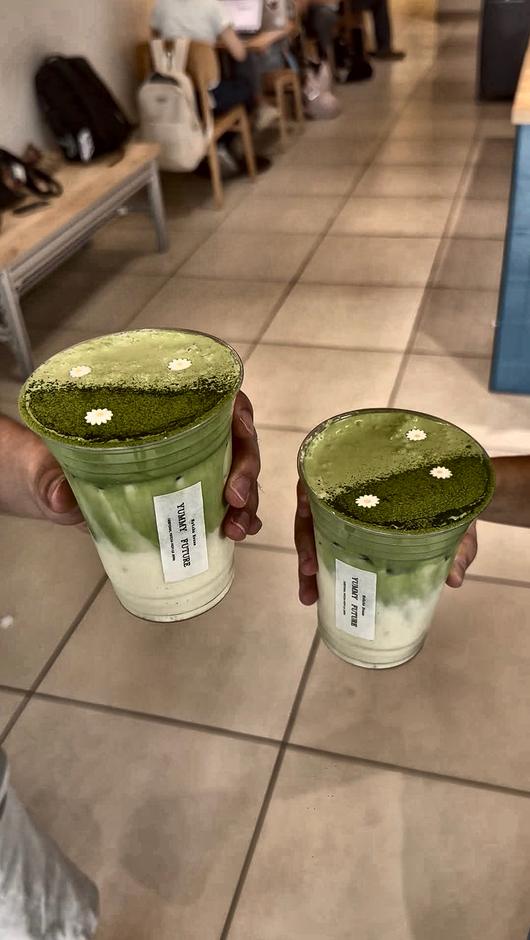
Champaign 401 reopens
As Matcha House.
Today
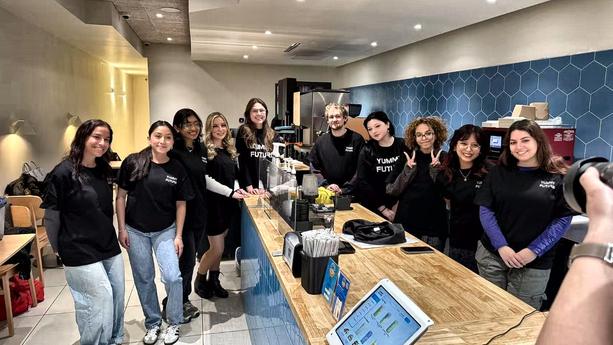
Three stores running
Two cities. Three locations.

Jack Cui
Co-founder · CEO10 yrs robotics. B.S. EE / M.S. ECE, UIUC. Prior: Google hardware (2018). Built the unit.

Garrett Yan
Co-founder · COO7 yrs engineering & operations. M.Eng., UIUC Grainger College of Engineering. Runs the operation every day.

Hao Ouyang
RoboticsM.S., UC Berkeley. RoboCon world champion. Robotics build.
Around them: the store crews who open the doors, work the bar, and tell us what broke.
Yummy Future · Mission 001 · Wefunder 202603 / 18
Cap tableFY2025 SAFE inflow $970,723 · audited · full breakdown in the data room
$4.7M
Raised to date.
Founded September 2018 at the University of Illinois; joined Y Combinator in 2019.
S19
Y
Y Combinator
Seed-stage backer
Multi-stage
SOMA
CAPITAL
CAPITAL
Soma Capital
Early backer
Fund
ASYMMETRY
Asymmetry Ventures
Transformative tech fund
Angel
![Trevor Blackwell]()

Trevor Blackwell
Y Combinator cofounder · OpenAI founding member
Yummy Future · Mission 001 · Wefunder 202604 / 18
Problem
The bottleneck is behind the bar.
Factories spent forty years engineering the repetition out of the work. The counter never got the same tools.
Industrial robots per 10,000 workers
South Korea
1,220
Germany
449
Japan
446
US manufacturing
307
China
166
Global average
132
US food service
≈0
Published industry benchmarks — they describe the category, not Yummy Future's own results. IFR World Robotics 2025 (2024 data), manufacturing. Food service: no published density benchmark exists — that bar is our own estimate, not a cited figure.
130%
Annual turnover among front-line food-service roles
Black Box Intelligence (TDn2K People Report) · DailyPay
30–35%
Of restaurant revenue goes to labor
National Restaurant Association · BLS food services (NAICS 72251)
01
The same shot, all shift long
A specialty barista pulls the same shot all shift long — and is also the one who knows the regulars, picks the music, and runs the store. Most of the shift goes to the half of the job that needs none of that.
02
The cup that never sells
No one can stand behind the bar all day. So the cup either never sells — or it sells from a pot brewed an hour ago.
03
Output is capped by headcount
In specialty coffee, a $7K day at one store takes a full crew and a line out the door. Every extra cup on the counter costs another pair of hands behind the bar.
Yummy Future · Mission 001 · Wefunder 202605 / 18
ThesisMove humans up the value chain
Take the repetitive work off humans.
Move them up.
A barista's shift is really two jobs: the same motion over and over, and the reason people come back. We built the unit to take the first one.
Unit · what's lifted off
The dirty work
Pulling shots · steaming milk · whisking matcha.
The same motion, every shift, every store.
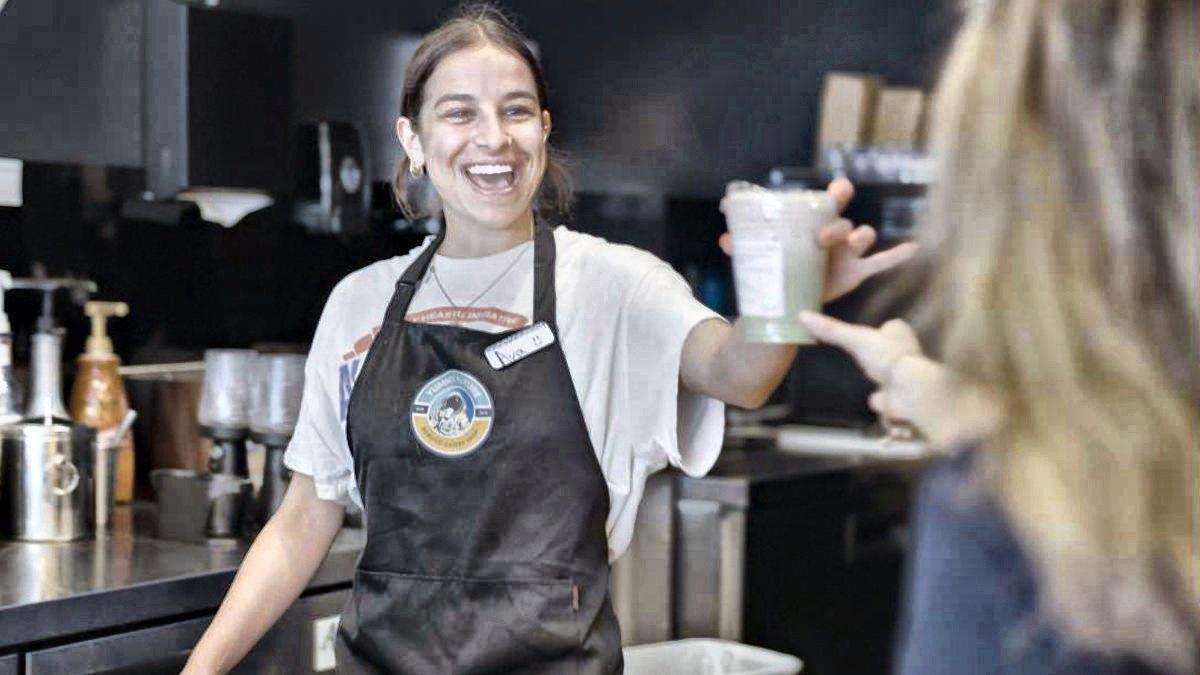
Human · where we move up
Hospitality & ownership
Welcome · menu · regulars · brand.
The work humans do best.
~60
Part-time jobs across three stores — the unit took the repetitive half of the shift, not the job. Same craft, better job, better business.
Yummy Future · Mission 001 · Wefunder 202606 / 18
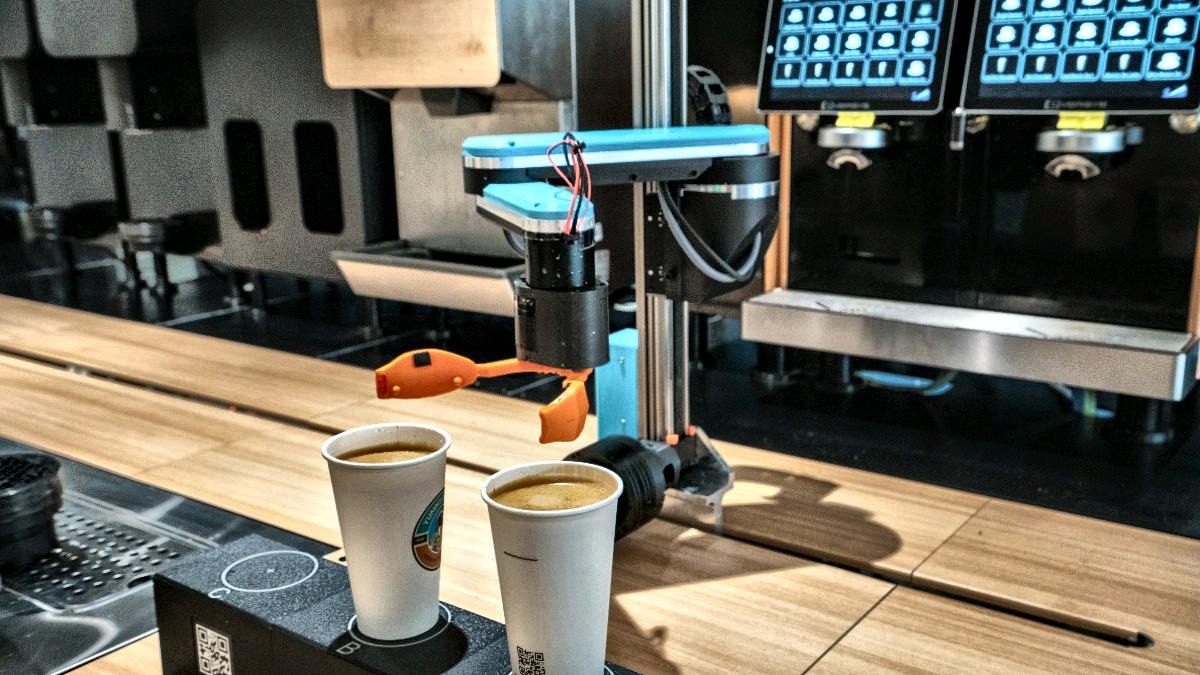
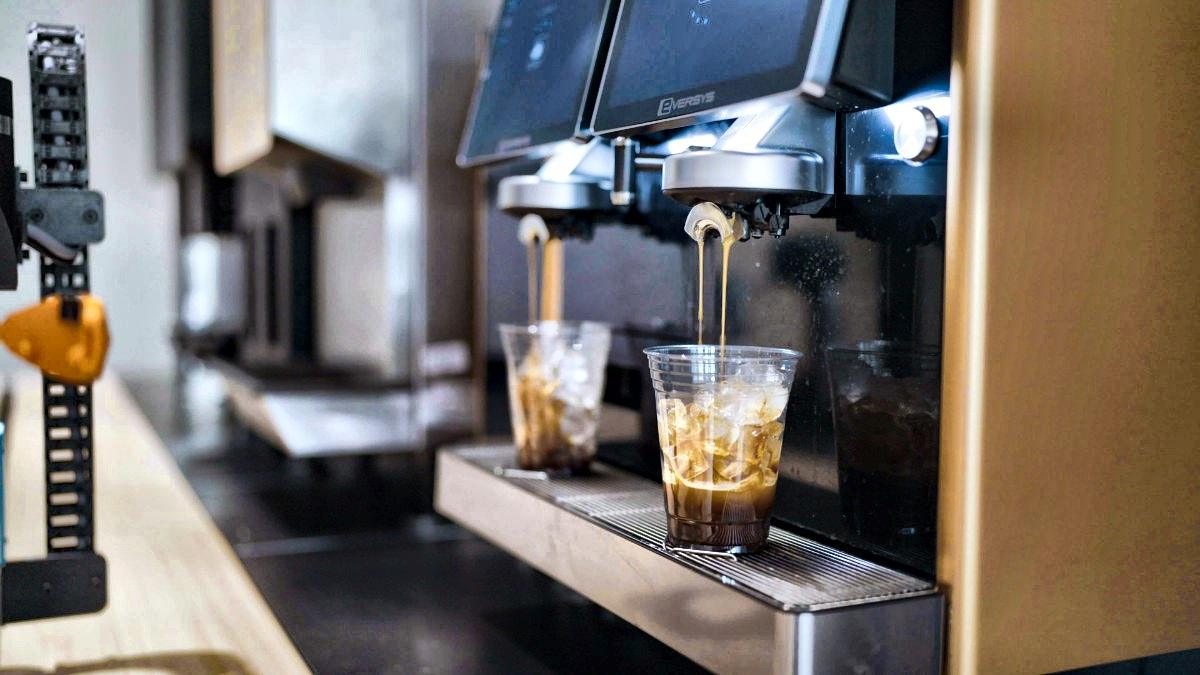
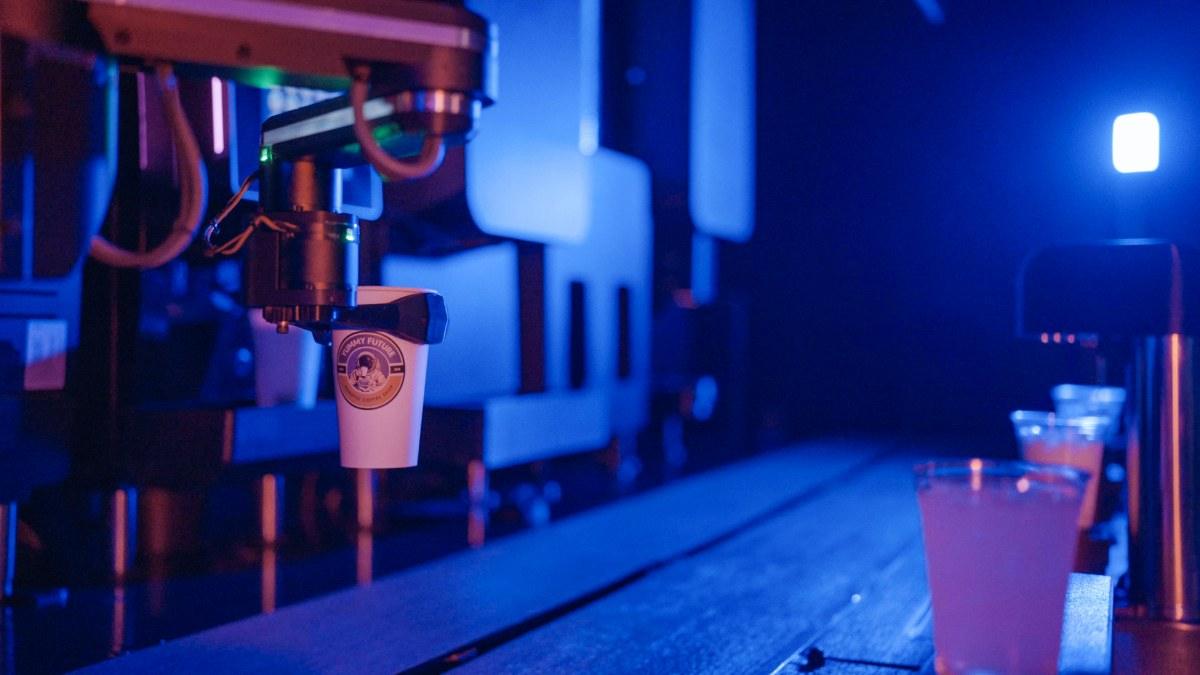
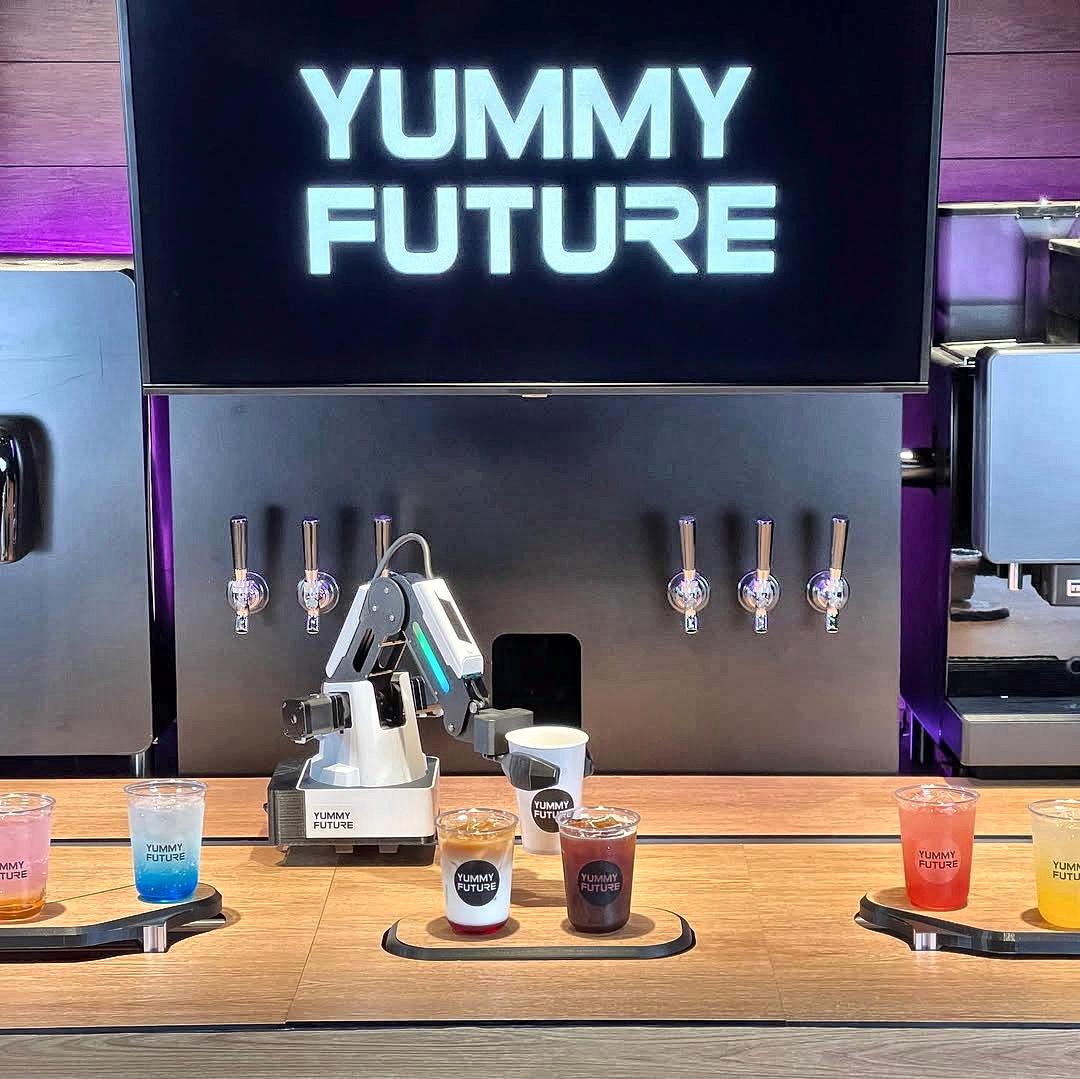
ProductCurrent production hardware · photographed in 2026 · working behind the bar today
We build the MAX system.
Operators just run it.
MAX is a complete robotic drink platform, not just a robot arm. It includes the arm, the software that runs it, payment, inventory, and supply chain. Everything an operator needs to run a drink business, in one system, with no robotics expertise required.
The system pours coffee, matcha, and cocktails today, with tea designed into the same arm. Up to 80 drinks an hour, consistently, with no shifts and no turnover. It’s live in three stores today, the same system in all three.
Now we’re expanding. We’re partnering with brands to put MAX in more places, and engineering a more compact, higher-tech version that fits any venue and is even easier to run.
Forward statements describe plans, not guarantees. Actual outcomes may differ. See Form C and risk factors.
Yummy Future · Mission 001 · Wefunder 202607 / 18
TractionMonthly POS records · three stores · counted, not projected
Three stores. Real customers. Zero paid acquisition.
$1,735,844
Revenue to date
Three stores · Sep 2023 – Jul 2026 · counted off the monthly POS record, not modelled. 240,000+ cups served since 2018.
$7,245
Best single day
Sat, Apr 11, 2026 · one store · one day · nobody behind the bar. Roughly 4× that store's own daily average — a past peak, not a run rate.
$0
Product-marketing spend
No ads, no boosted posts, no influencer briefs — ever. Every customer above walked in on their own.
Yummy Future · Mission 001 · Wefunder 202608 / 18
The one line
One robotic platform.
Three stores.
$1.7M+ in sales.
All three are open to the public. The figure above is read off the monthly point-of-sale record — not projected.
Yummy Future · Mission 001 · Wefunder 202609 / 18
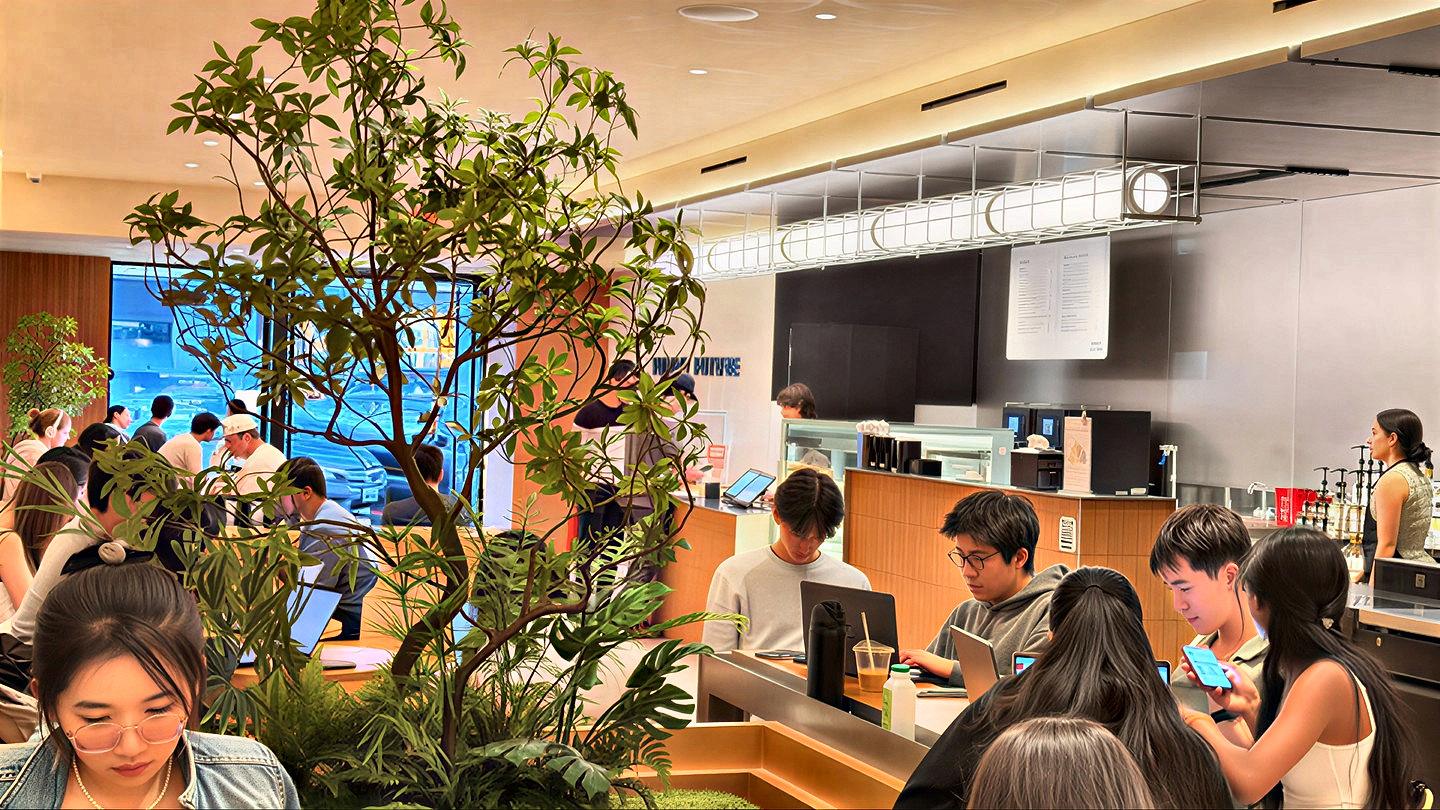
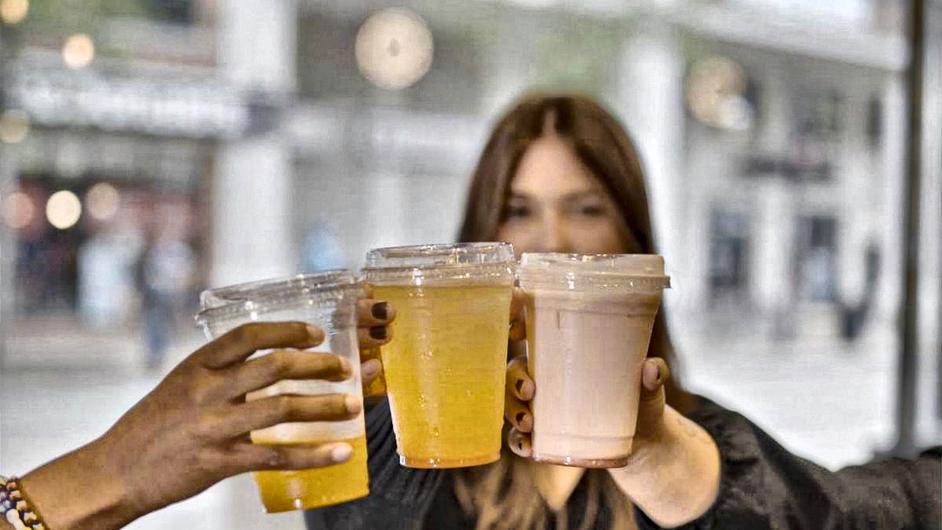
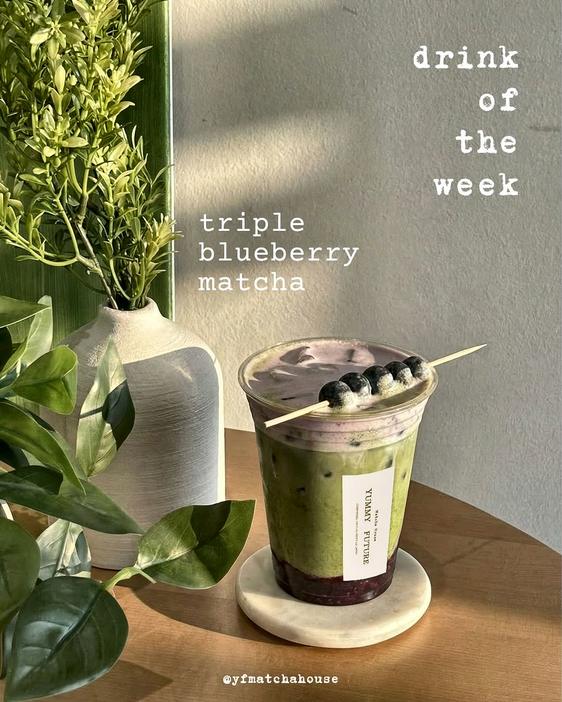
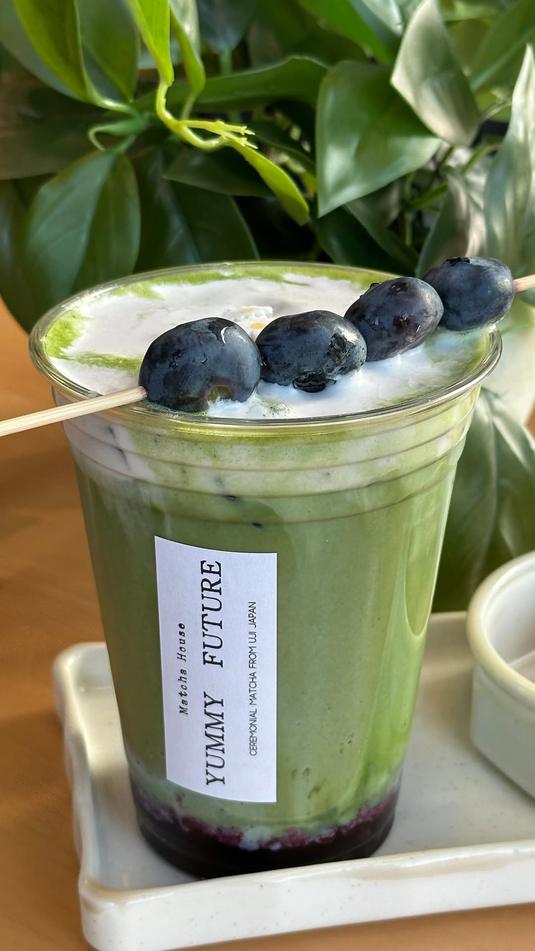
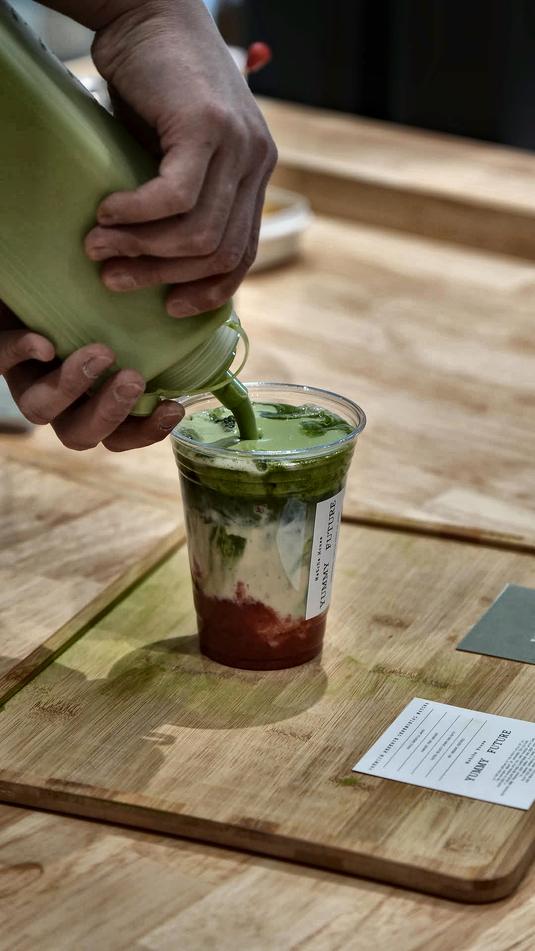
Matcha House launchChampaign · 401 E Green St · Google Maps and Instagram · captured 2026-07-05 / 2026-08-12
Matcha House launched in March.
Customers made it our best-rated store.
5.0 ★︎
337 Google reviews
Matcha House, 401 E Green St · by July 5, 2026
456
Followers
2,226+
Reel plays
@yfmatchahouse on Instagram · by August 12, 2026
New brand, new recipes, new visuals — same unit, same software. Concept to live: under a week.



 Landuyt Center


Yummy Future · Mission 001 · Wefunder 202611 / 18
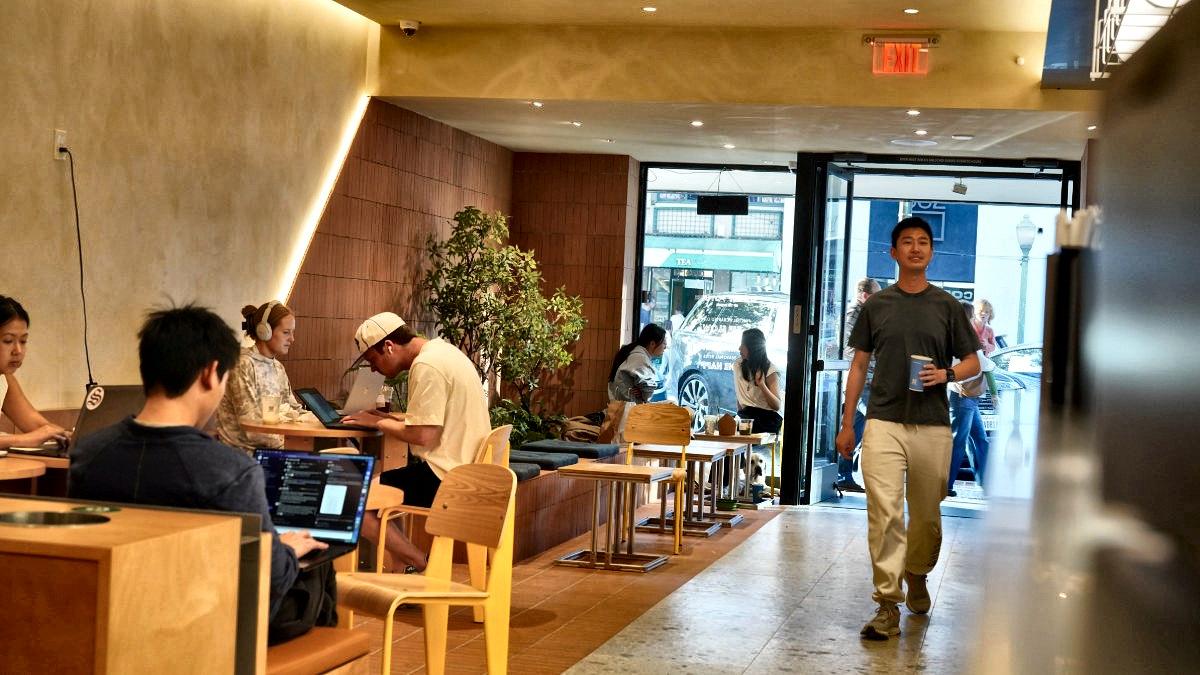
PortabilityChampaign average ticket · Palo Alto weekly revenue · POS orders · bars start at $0
Traction proven. Automation reliable. Ready to scale.
Traction · what a customer pays
The average ticket at our Champaign stores went from $6.16 in 2023 to $8.57 in 2026 — 39% more per order, on the same street. Orders a month nearly doubled over the same window: nobody walked away when the price went up.
$8$40
$6.16
$7.23
$7.93
+39% vs 2023
$8.57
2023From Sep
2024
2025
2026To Sep 2
Both Champaign stores, POS orders incl. sales tax. 2023 starts in September.
Automation · operated remotely
Palo Alto ran straight through the summer and winter breaks that empty out Champaign — deployed, monitored, and operated remotely, 2,100 miles from our home base. 10,000+ hours of bug-free operation. No campus, no semesters, no student base. The system didn’t miss a beat.
2,100 miles
Palo AltoChampaign
Deployed and operated remotely
10,000+ hours
Bug-free operation
Oct 2025 → today, unbroken
Traction: proven. Automation: proven. Every unit: profitable. Scale-up is execution now, not a bet.
Yummy Future · Mission 001 · Wefunder 202612 / 18
MarketPublished industry data · market sizing only
One platform. Every place America already buys a cup.
A hotel lobby is dead at 6am and three-deep at 8:45 — no shift pattern fits both. A unit stands through both, and the last cup of the day costs what the first one did.
$47.8B
US specialty coffee · 2024
Grand View Research · NCA · 2024
55,900
US hotel properties
One of the four venue types · AHLA 2025 SOTI
Venue 1
Hotel lobbies
Before sunrise
Venue 2
Office towers
The 8:45 rush
Venue 3
Corporate floors
Between meetings
Venue 4
Airport gates
18 hours a day
Market sizing only. Venue counts and category market sizes are published industry statistics, cited per source. Yummy Future's share of any of these markets is not projected here. Not committed revenue. See Form C for full discussion.
Yummy Future · Mission 001 · Wefunder 202613 / 18
De-riskingWhy we opened our own stores before selling a single unit
We were our own first customer.
In this category the failure is rarely the engineering. It is a unit that gets built, sold into a venue, and then sits idle — because nobody tested whether people would pay for the drink.
The usual path
Demand is the last question asked.
Build the unit
Capital goes in first, over years.
→
Sell it into a venue
The buyer carries the demand risk.
→
Wait to see if drinks sell
The first real customer arrives here.
→
Demand answered last
By then the capital is spent, and the unit sits idle.
Our path
Demand is the first question answered, with our own money.
Open our own stores
On our own books, not a buyer's.
→
Customers pay at the counter
A receipt, not a forecast.
→
It holds across concepts and markets
A second concept in the same town; a second market on the other coast.
→
Only then, sell the unit
Operators come to a store that already earns.
Demand was pulled, not bought.
The lower track rests on that sentence; we spent our own money to test it.
Where the proof sits
Every figure behind that track is already in this deck — what the counters took, a second concept that cost the first no sales, a second market on the other coast, and operators who came only after the stores worked.
Non-binding interest is not an order or a commitment. Forward statements describe plans, not guarantees. Figures referred to are reported in full on earlier pages. See Form C and risk factors.
Yummy Future · Mission 001 · Wefunder 202616 / 18
The askWefunder · 2026
Build with
us.
We've shown what it can do. We're just starting. Come build the rest with us.
wefunder.com/yummy
Investment terms · SAFE
$73M
Valuation cap
$60M
Early bird cap
Early bird applies to the first $100K invested. Investor perks at $1K, $5K, $10K, $25K.
See Form C and risk factors before investing. Forward statements describe plans, not guarantees.
Yummy Future · Mission 001 · Wefunder 202617 / 18
AppendixReference photography · all shot in stores we operate · no licensed stock
What it looks like on the ground.
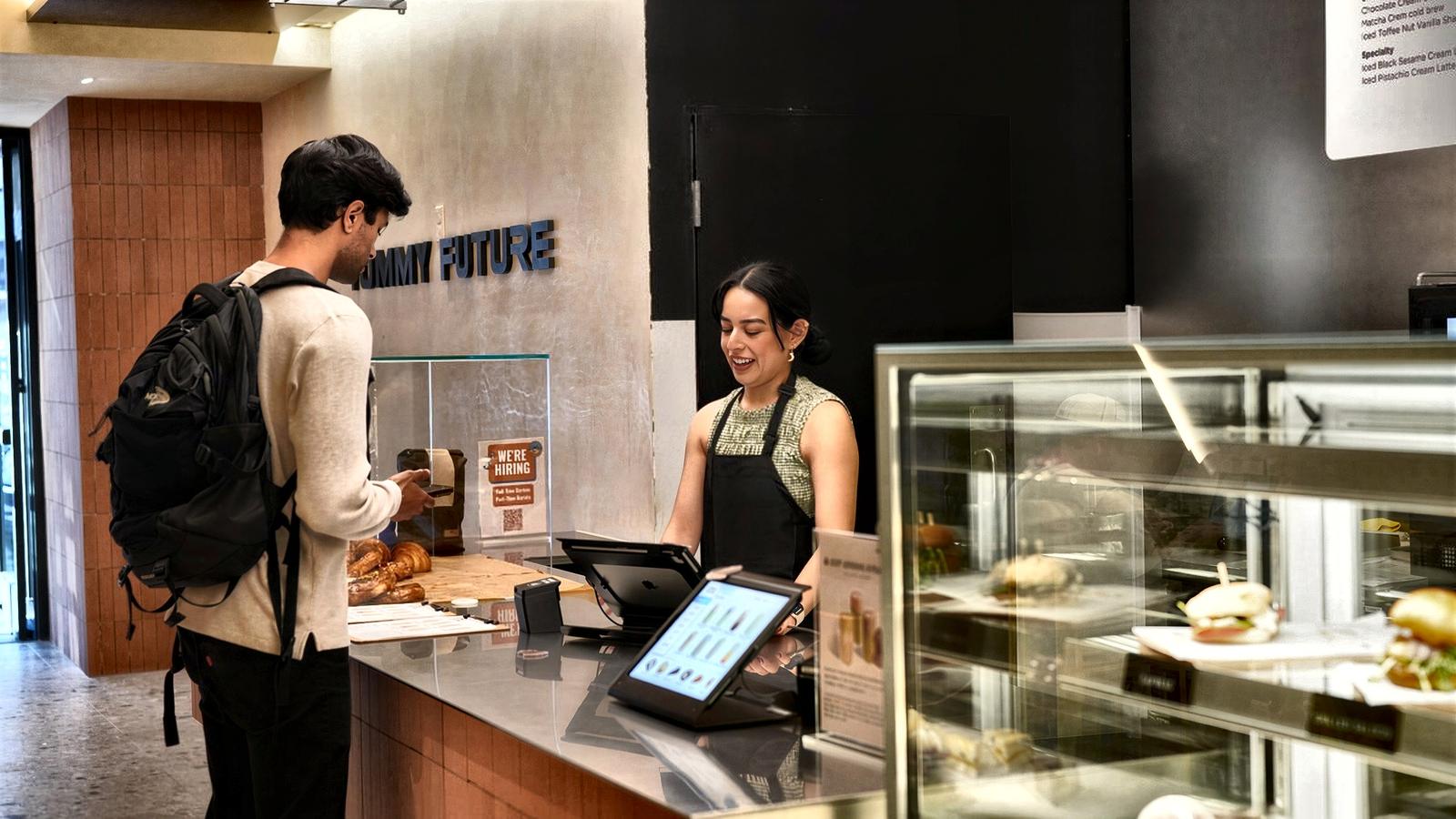
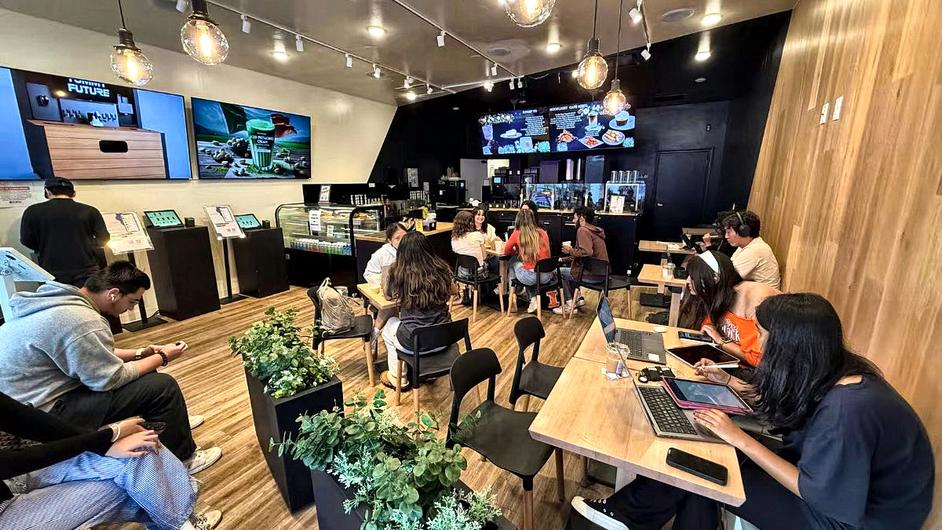
Ordering
A customer orders at the screen. No register queue, no order read back.
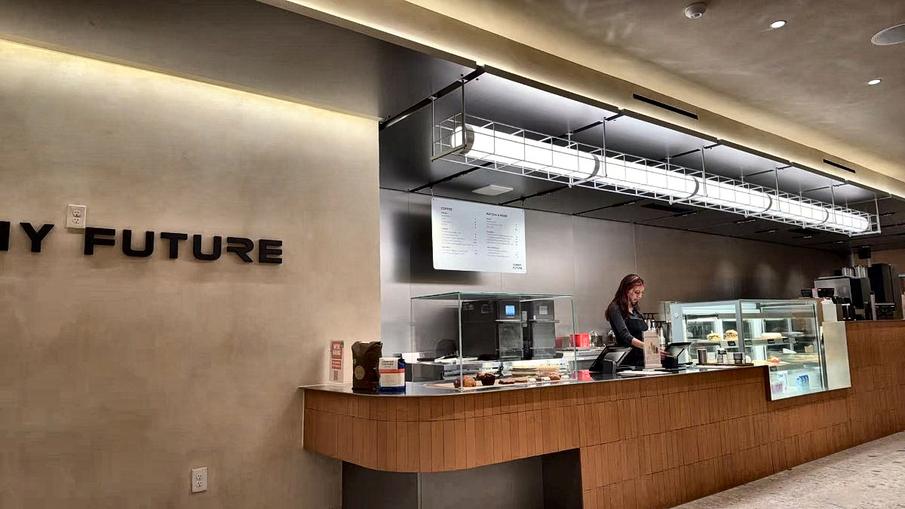
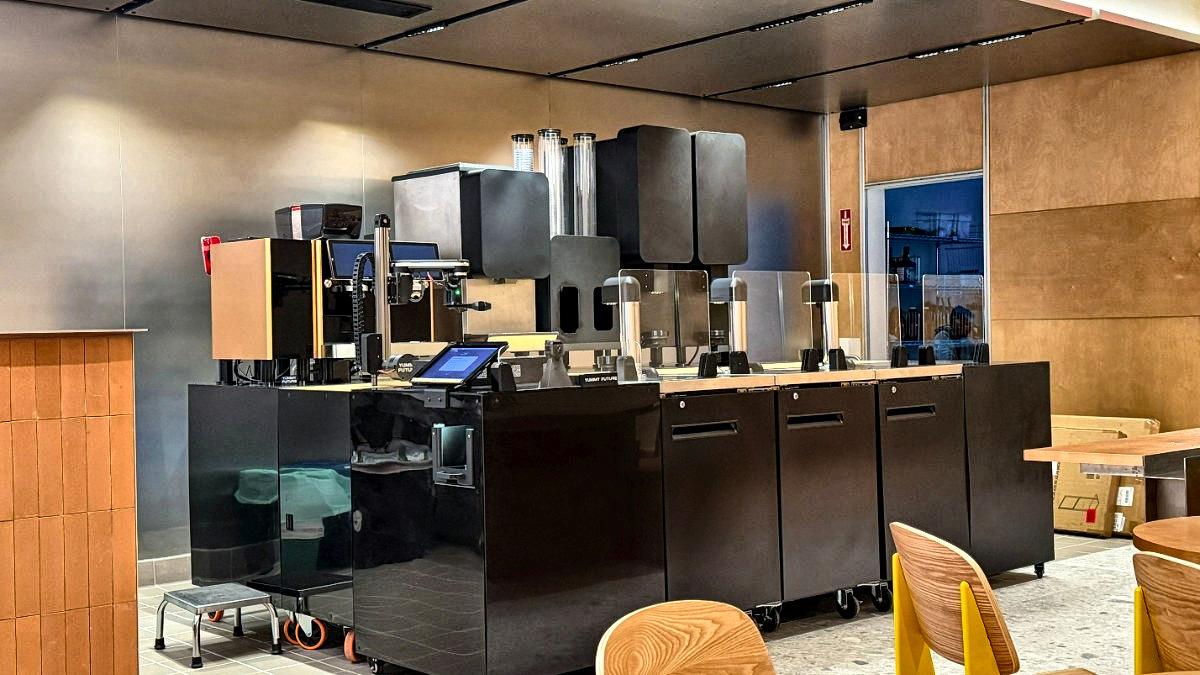
The counter
The whole service footprint: one counter, no back-of-house line.
The bar
The unit in position behind a working bar, taps and cups either side.
The cup
The product the customer actually pays for, under the bar lights.
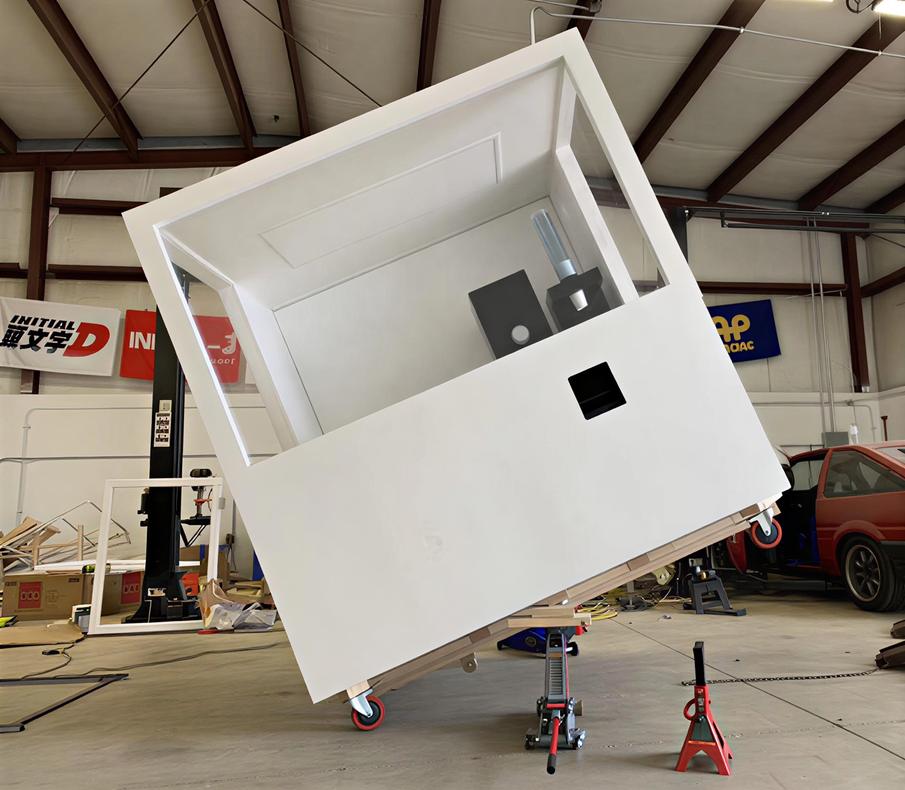
Install
A unit in the workshop, crated. It leaves and arrives as one piece.
About this page
Backup photography for Q&A — not part of the main narrative. Every frame here was taken in a store we operate; none of it is licensed stock.
Financial figures live on the traction and trajectory pages. Nothing on this page is a claim.
Yummy Future · Mission 001 · Wefunder 202618 / 18